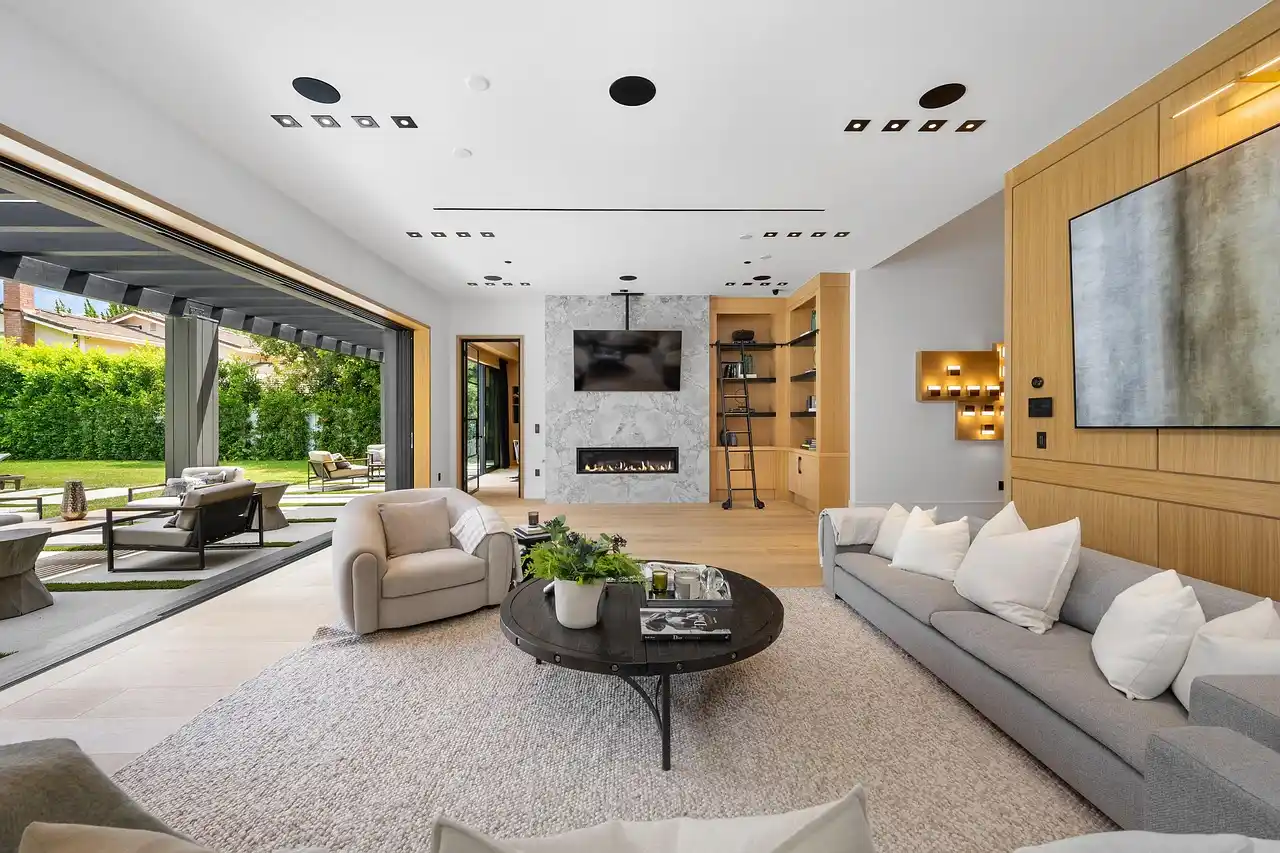
What is Home Window Tinting?
Home window tinting refers to the application of specialized films on residential glass surfaces to enhance privacy, reduce heat, block UV rays, and improve overall energy efficiency. These films are usually made from polyester or metalized layers and are designed to adhere seamlessly to the inside of your windows without obstructing the view.
Benefits of Home Window Tinting
There are multiple advantages to investing in quality home window tinting, including:
- Energy Efficiency: Window tinting helps reduce heat gain in summer and heat loss in winter, lowering cooling and heating costs.
- UV Protection: Tints can block up to 99% of harmful ultraviolet rays, protecting your furniture, flooring, and artwork from fading.
- Enhanced Privacy: Certain films provide increased privacy without sacrificing natural light.
- Glare Reduction: Tinted windows reduce annoying glare from the sun, improving comfort indoors.
- Safety and Security: Some window films strengthen glass panes, making them more resistant to shattering.
Types of Home Window Tinting Films
| Film Type | Features | Best For |
|---|---|---|
| Dyed Window Films | Uses a layer of dye to absorb solar heat and reduce glare; affordable option. | Basic heat and glare control, budget-friendly homes. |
| Metalized Films | Contains metallic particles that reflect heat and UV rays; durable and strong. | Homes needing heat reduction and added window strength. |
| Sputtered Films (Hybrid) | Combines dyed and metallic layers for optimal heat rejection and clarity. | Premium energy efficiency and UV protection. |
| Ceramic Films | Non-metallic, blocks heat and UV without interfering with electronics or signals. | Homes with sensitive electronics and high performance needs. |
How to Choose the Right Window Tint for Your Home
Choosing the appropriate window tint involves considering your climate, budget, aesthetics, and desired benefits:
- Assess Your Climate: If you live in a hot area, focus on films with high heat rejection; in colder regions, look for films that help retain heat.
- Determine Your Priorities: Are you more concerned about UV protection, glare reduction, or privacy? Different films emphasize different benefits.
- Check Local Regulations: Some areas have rules about the reflectiveness or darkness of window films.
- Consider Professional Consultation: Licensed tinting professionals can recommend the best options and ensure proper installation.
Installation and Maintenance Tips
For optimal results, professional installation is recommended due to the precision required to avoid bubbles and peeling. However, if you choose DIY, ensure the following:
- Clean windows thoroughly before application.
- Apply film evenly from the inside surface.
- Use a squeegee to remove air pockets.
- Allow the film to cure according to manufacturer instructions before cleaning the glass.
To maintain window tinting:
- Use non-abrasive, ammonia-free cleaners.
- Clean gently with soft cloths to avoid scratches.
- Avoid sharp objects near the window edges.
Cost Considerations
The cost of home window tinting varies based on:
- Type and quality of film chosen.
- Size and number of windows.
- Complexity of installation.
On average, the cost ranges from $8 to $15 per square foot for professional installation. While the initial investment might seem significant, the long-term savings on energy bills and UV damage prevention often justify the expense.
Comparison of Popular Home Window Tinting Films
| Criteria | Dyed Films | Metalized Films | Ceramic Films |
|---|---|---|---|
| Heat Rejection | Moderate | High | Very High |
| UV Protection | Good | Excellent | Excellent |
| Interference with Electronics | None | Possible | None |
| Cost | Low | Medium | High |
| Durability | Moderate | High | Very High |
Frequently Asked Questions About Home Window Tinting
Is home window tinting legal in all areas?
Most areas allow residential window tinting, but there can be restrictions on reflectivity and darkness depending on local codes. Check local regulations before installation.
How long does window tinting last on home windows?
High-quality window films can last 10-15 years or more when professionally installed and properly maintained.
Can window tinting reduce noise?
While not primarily designed for noise reduction, some thicker films can slightly reduce external noise entering the home.
Conclusion
Home window tinting is a valuable investment that enhances comfort, privacy, and energy efficiency while protecting interiors from UV damage. By understanding the types of films available, considering your specific needs, and opting for professional installation, you can maximize the benefits of window tinting for your home. With proper maintenance, your tinting will provide lasting performance and savings.
Summary: In summary, home window tinting offers energy savings, UV protection, privacy, and improved comfort. Selecting the right film type—whether dyed, metalized, or ceramic—depends on your priorities and budget. Professional installation and regular maintenance ensure that this upgrade continues to deliver significant long-term benefits.